
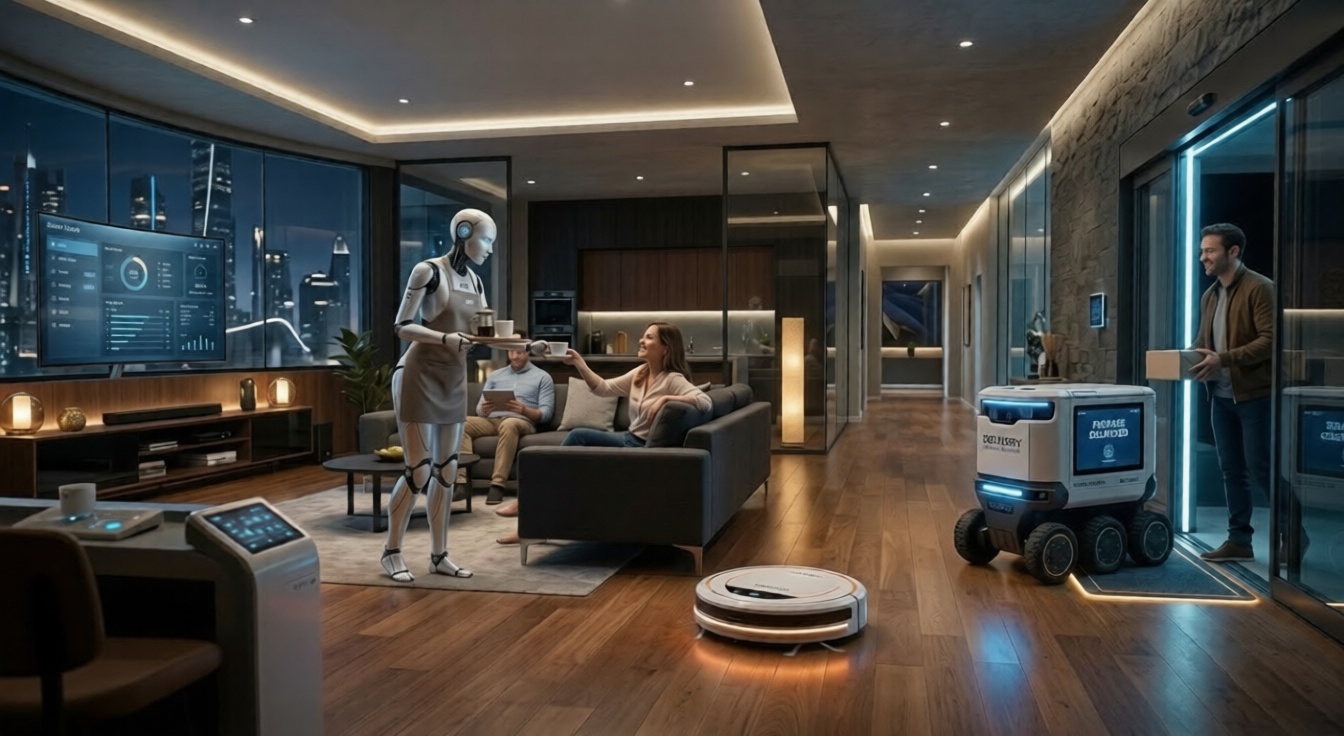
Robotics technology is no longer limited to factories or science fiction movies. In 2026, smart robots are rapidly becoming a part of our everyday lives. From delivering groceries to assisting in offices and helping with household chores, robots are transforming the way we live, work, and interact with technology.
As artificial intelligence continues to advance, robots are becoming smarter, more efficient, and more accessible for businesses and individuals alike.
INDEX (jump to):
The Evolution of Smart Robotics
Over the past decade, robotics has seen massive growth. Earlier, robots were primarily used in industrial environments where they performed repetitive tasks like assembly and manufacturing. However, modern robots are powered by AI, machine learning, and advanced sensors, allowing them to understand environments, make decisions, and interact with humans.
Types of Smart Robots in Daily Life
1. Delivery Robots
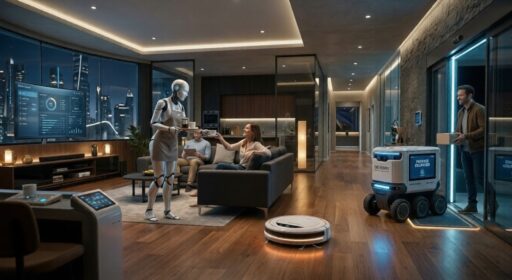
Delivery robots are becoming increasingly common in urban areas. These robots can deliver food, groceries, and packages directly to your doorstep.
They use GPS, cameras, and sensors to navigate streets and avoid obstacles, making last-mile delivery faster and more efficient. Many companies are already testing autonomous delivery systems in cities worldwide.
2. Home Assistant Robots
Smart home robots are designed to help with daily household tasks. These include:
- Cleaning robots (vacuum & mopping)
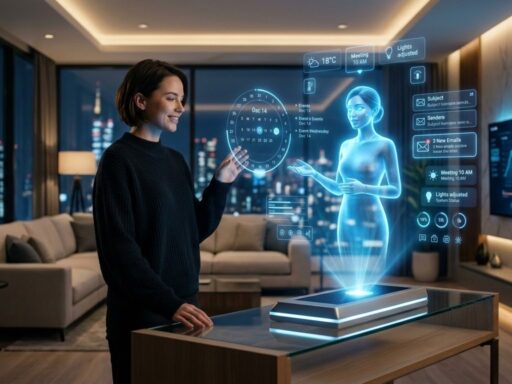
- AI-powered personal assistants
- Security monitoring robots
These robots can be controlled via smartphone apps or voice commands, making homes more automated and convenient.
3. Office and Workplace Robots
In offices, robots are helping improve productivity by handling routine tasks such as:
- Document delivery
- Customer assistance
- Scheduling and reminders
Some advanced robots can even interact with customers using natural language processing, improving customer experience.
4. Healthcare Robots
Healthcare is one of the biggest sectors benefiting from robotics. Smart robots are used for:
- Patient care and monitoring
- Surgical assistance
- Medicine delivery in hospitals
These robots reduce human workload and increase accuracy, especially in critical environments.
Benefits of Smart Robots
- Increased Efficiency-Robots can work 24/7 without fatigue, making processes faster and more reliable.
- Cost Savings-Businesses can reduce operational costs by automating repetitive tasks.
- Improved Safety-Robots can perform dangerous tasks, reducing risks for humans in hazardous environments.
- Enhanced Convenience-For everyday users, robots make life easier by automating routine chores.
Challenges and Concerns
While smart robots bring many advantages, there are also challenges:
- Job Displacement-Automation may replace certain types of jobs, especially repetitive roles.
- High Initial Costs-Advanced robotic systems can be expensive to implement initially.
- Privacy Issues-Robots with cameras and sensors may raise concerns about data security and privacy.
The Role of AI in Robotics
Artificial Intelligence is the backbone of modern robotics. AI enables robots to:
- Recognize objects and faces
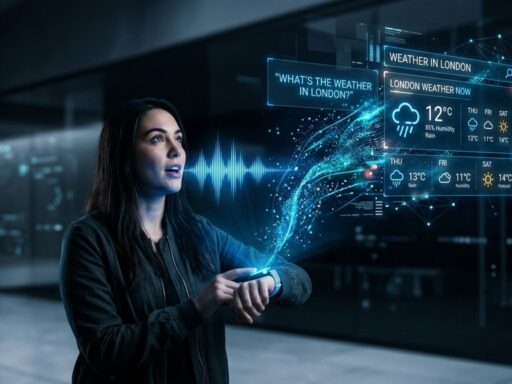
- Understand voice commands
- Learn from past experiences
- Make real-time decisions
This combination of AI and robotics is what makes smart robots truly powerful and useful in daily life.
Future of Smart Robots
The future of robotics looks incredibly promising. In the coming years, we can expect:
- More affordable home robots
- Advanced human-like interactions
- Fully autonomous delivery systems
- Robots integrated into smart cities
As technology continues to evolve, robots will become as common as smartphones in our daily routines.
Final Thoughts
Smart robots are no longer a futuristic concept—they are already here and rapidly becoming a part of our everyday lives. From homes to hospitals and workplaces, robotics is reshaping how we interact with technology and perform daily tasks.
As innovation continues, the presence of smart robots will only grow, making life more efficient, convenient, and connected than ever before.